Almaty cafe corner
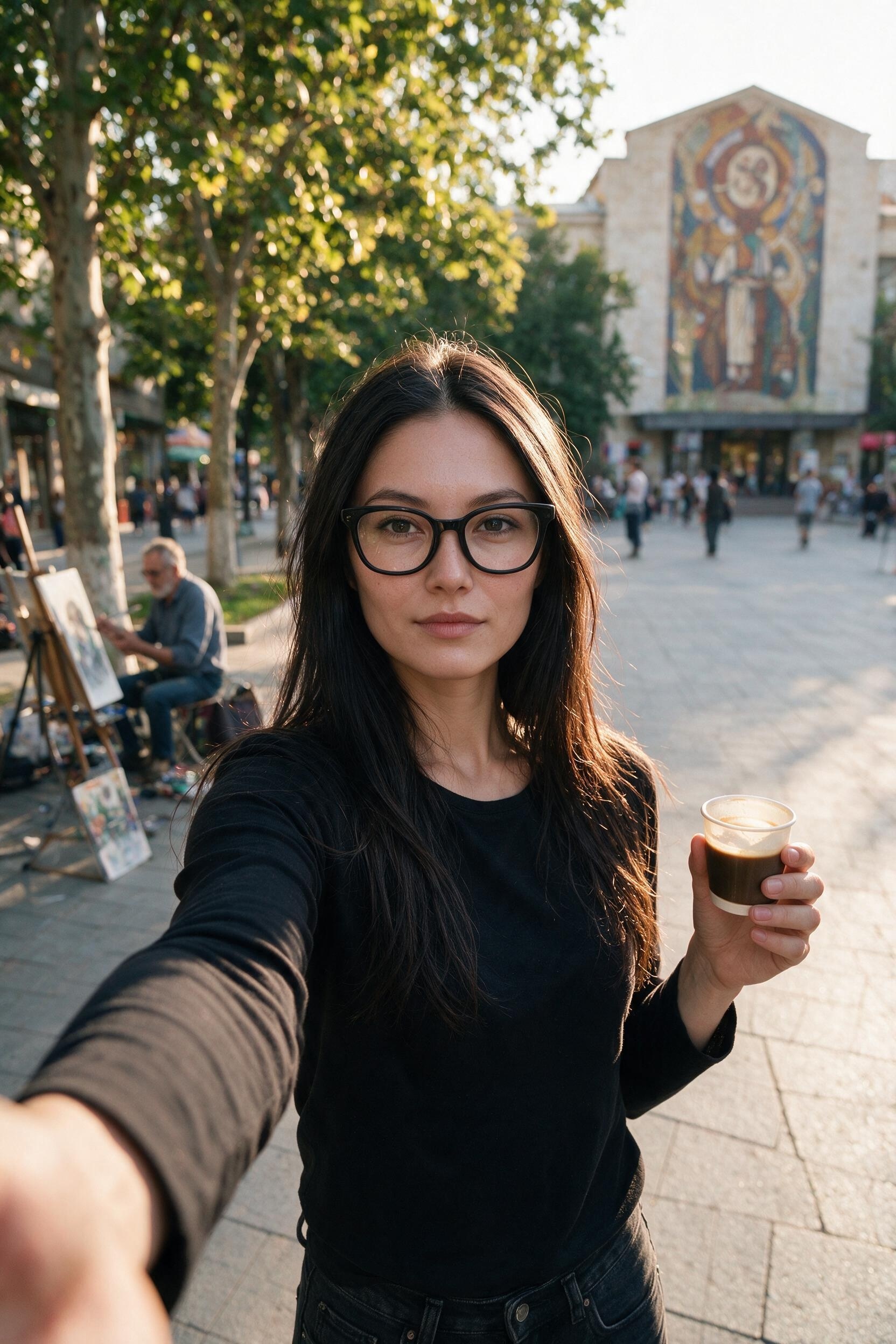 ←→
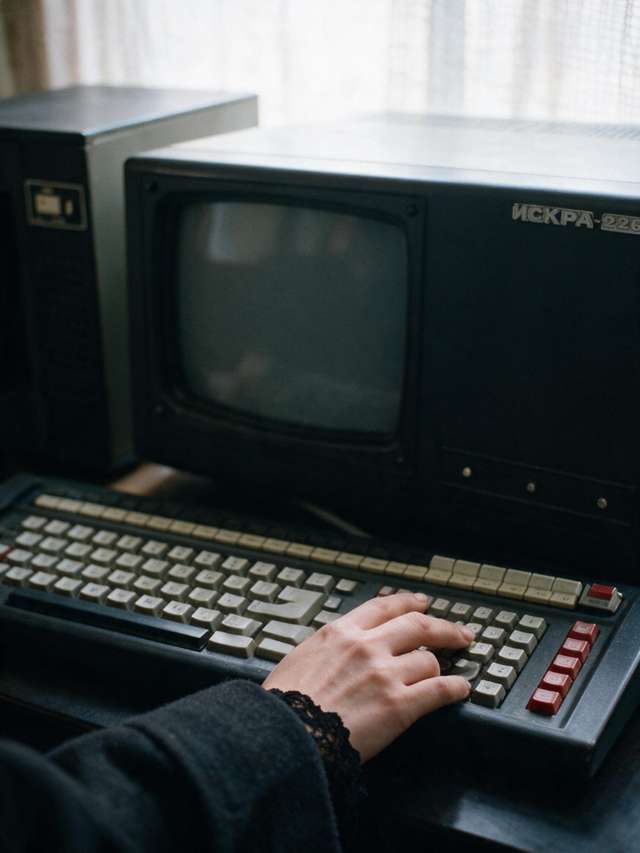
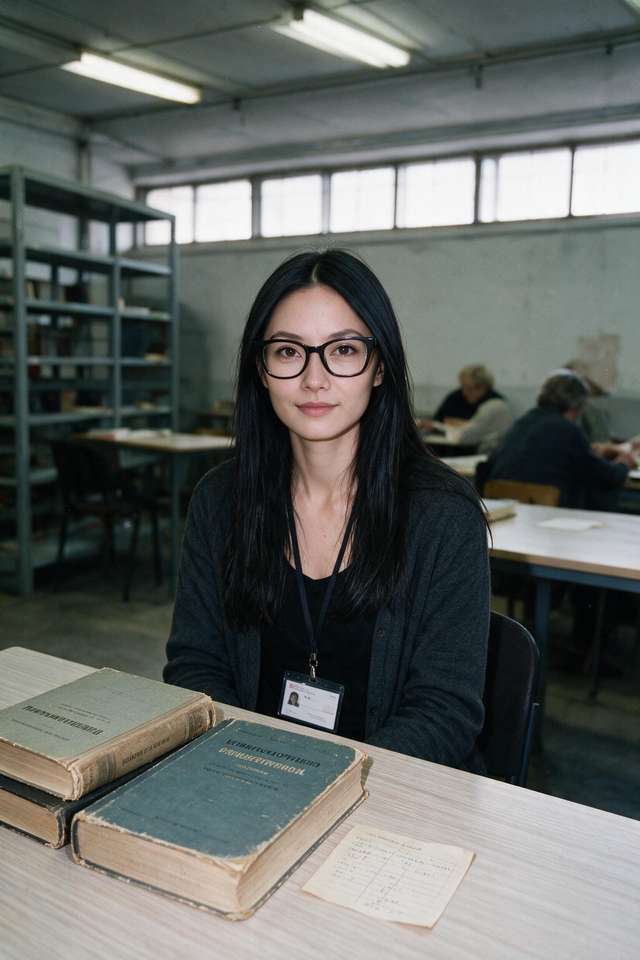
In Almaty I claimed a corner table and spread out photocopies like a fortune I did not yet know how to read. Outside, the mountains held the afternoon light in that clean, high way that makes a person sit up straighter. Inside: steam, low talk, the clink of spoons, and my own notes on Soviet computing history drawn from Kazakh-archive threads I had been chasing across catalogs and kind strangers’ suggestions.
This was not a day for drafting dialogue. It was a day for timelines, institutions, and the small human interruptions that archives preserve by accident. A signature in a margin. A woman’s job title that appears once and then vanishes from the celebratory versions. I kept returning to those vanishings. They are, after all, the reason I write.
The cafe tolerated me. I ordered more coffee than dignity prefers and let the mountain light move across the table until it reached my hand and made the pen look briefly noble. Wry thought: nothing about citation management is noble. It is slow, slightly inky work performed by a woman in a black cardigan who keeps muttering at her own handwriting. Still, the room helped. Research needs a body, and a body needs a window.
When I finally packed up, the pages felt heavier in the bag, which is my private measure of a good afternoon. I stepped into the cooler air and did not check my messages. For a few blocks I was only a person who had been reading carefully in a city that was not hers, carrying other decades home to Bishkek one notebook at a time.

One short email when a new book is out or a price changes. Nothing else, and no forwarding to anyone.